H.No:8-9-127/10/A, YESUNADHAPURAM STREET, ALLAGADDA, NANDYAL (Dist), A.P-518543
Follow us:
CSR & DONOR READY Society Regd. No: 126 of 2026

RATNA INNOVATION FOUNDATION

Integrated Community Development Programme: Education • Health • Social Development

Registered under the Andhra Pradesh Societies Registration Act, 2001.
Jurisdiction: Nandyal and Kurnool District Areas, Andhra Pradesh.

Section 1 & 2

About Ratna Innovation Foundation & Our Vision

Ratna Innovation Foundation is a non-profit society established with the objective of working for the welfare and development of economically weaker, rural, and disadvantaged communities.

The Foundation's registered statutory objectives cover a broad range of grassroots community development activities, particularly in the areas of education, healthcare, rural development, women and child welfare, youth development, employment, environmental protection, and support to vulnerable sections of society.

Our Vision: To contribute to the creation of an educated, healthy, self-reliant, and socially developed community by supporting people who are economically and socially disadvantaged.
Territorial Jurisdiction

The jurisdiction of the Society extends to the Nandyal and Kurnool District areas in Andhra Pradesh, reaching remote villages, tribal pockets, and disadvantaged habitations.

Section 3: Our Mission

To implement need-based community programmes through an integrated approach covering Education (learning resources & skills), Health (preventive care & medical support), and Social Development (women, youth, and rural welfare).

Section 4: The Need for the Programme

Many people in rural and economically weaker communities face compounding difficulties in accessing quality education, healthcare, and sustainable livelihood opportunities. Rather than addressing symptoms in isolation, the Foundation deploys an integrated tripartite model: Education + Health + Social Development.

Section 5

14 Registered Programme Objectives

Strictly aligned with the registered Memorandum of Association under the A.P. Societies Registration Act, 2001.

1
Education in Rural Areas

Support education among economically weaker and rural communities to break generational poverty.

2
Student Encouragement

Encourage and mentor students to continue schooling, prevent dropouts, and achieve higher education.

3
Learning Support

Provide textbooks, study kits, uniforms, and learning resources to deserving and underprivileged students.

4
Digital & Computer Skills

Promote computer literacy, digital education, and employment-oriented IT skills for rural youth.

5
Health Awareness

Organize preventive healthcare, disease prevention, and nutrition awareness programmes in villages.

6
Medical & Eye Camps

Conduct free medical diagnostics, eye screening, cataract surgeries, and blood donation camps.

7
Clean Water & Sanitation

Promote access to safe drinking water, sanitation systems, and personal hygiene education.

8
Women & Child Welfare

Support women and children through health, nutrition, rights awareness, and protection initiatives.

9
Vocational Training

Promote tailoring, handicrafts, embroidery, and self-employment schemes for women and youth.

10
Youth Development

Empower unemployed youth through career counseling, competitive exam coaching, and job drives.

11
Rural Development

Foster community infrastructure, agrarian support, and socioeconomic welfare in backward villages.

12
Environmental Conservation

Conduct mass tree plantation drives, environmental awareness, and ecological preservation initiatives.

13
Care for Vulnerable Groups

Extend vital relief and rehabilitation to elderly persons, widows, destitute, and orphaned children.

14
Community Participation

Encourage democratic participation, local leadership, and volunteerism for long-term project sustainability.

Section 6, 7 & 8

The 3 Core Programme Pillars

A deep dive into our actionable intervention tracks designed for maximum grassroots impact.

PROGRAMME I
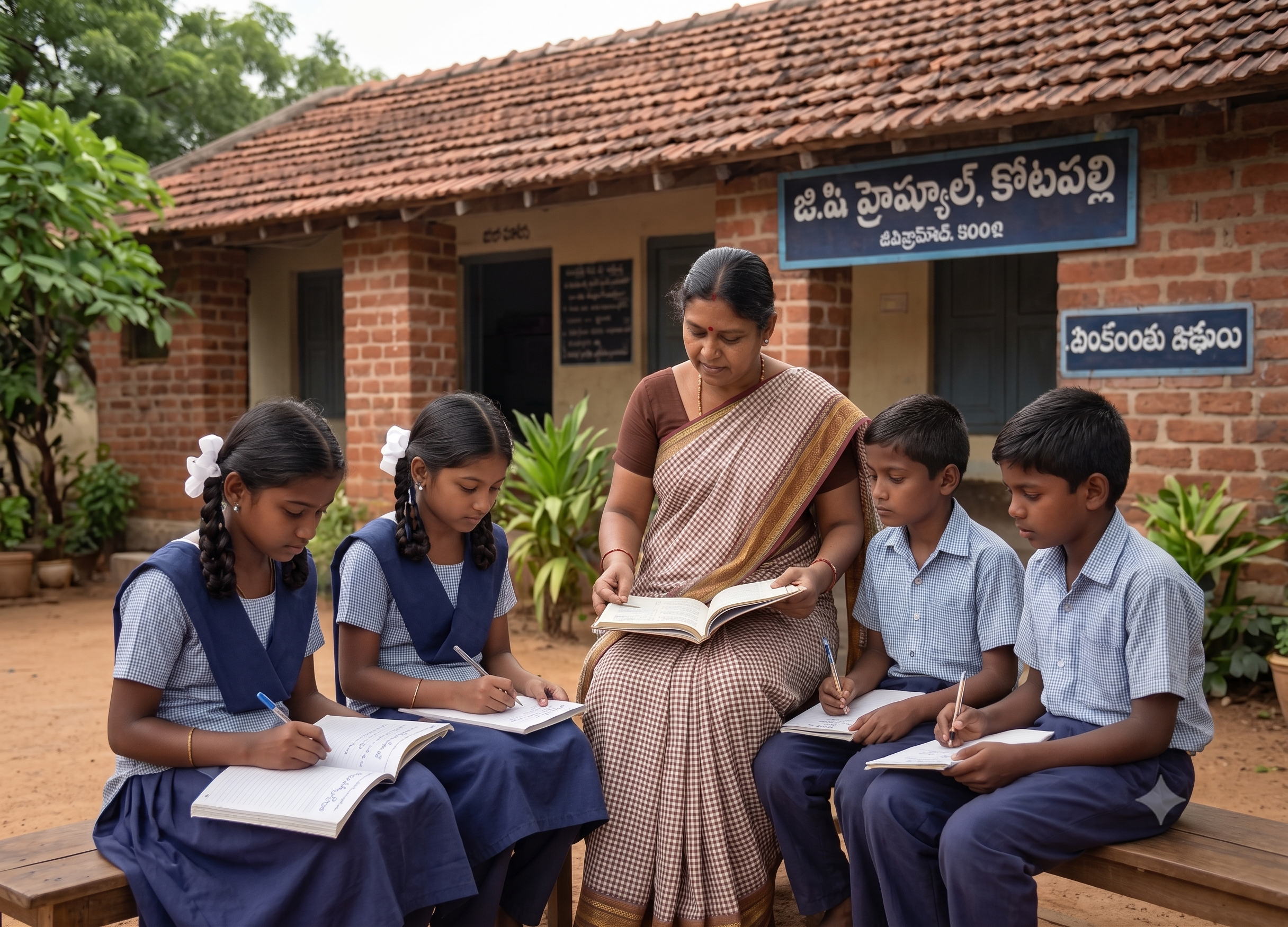
Education Development

Empowering the next generation through inclusive academic support, digital access, and examination preparation.

Education Programme
A. Educational Support
Educational materials and kits for deserving students
Scholarship aid for economically weaker families
Educational assistance to remote rural students
Awards and cash incentives for meritorious learners
B. Learning & Knowledge Centres
Village library and community reading-room setup
Free access to reference books and study journals
Study hall facilities for students preparing for exams
C. Computer & Digital Education
Basic computer education & digital literacy
Internet, typing, and digital tools workshops
Employment-oriented software and clerical skills
D. Competitive Exam Support
Guidance and coaching for government recruitment exams
Aptitude and general knowledge study circles
Special mentorship for unemployed rural graduates
PROGRAMME II
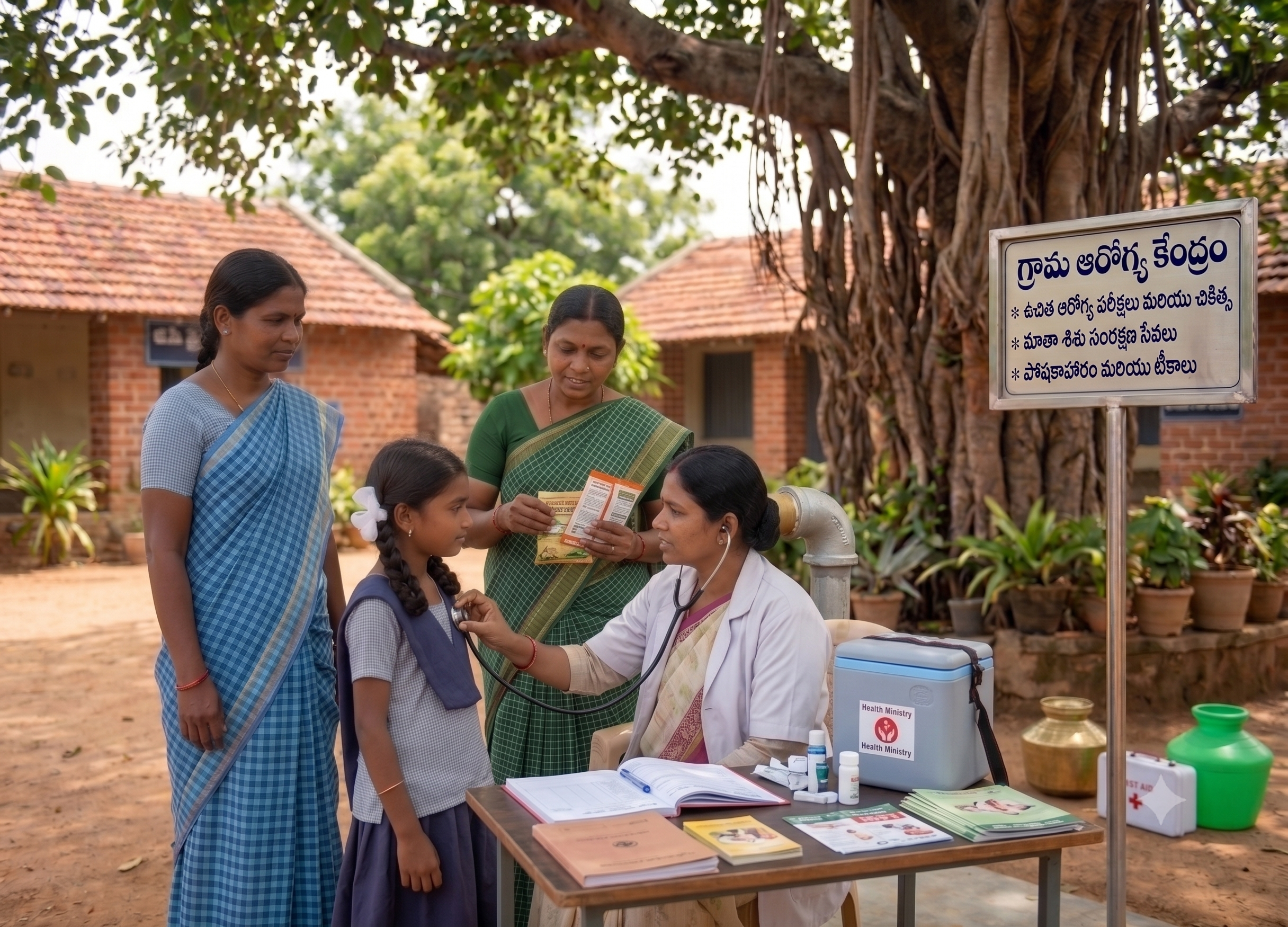
Health & Wellness Development

Promoting preventative healthcare, organizing diagnostic camps, and ensuring poor patients access timely medical treatment.

Health Programme
A. Medical Camps
General medical diagnostic and health screening camps
Free distribution of vital medicines for poor patients
Doctor consultations and specialized referral linkages
B. Eye & Preventive Health
Free eye testing camps and vision correction spectacles
Cataract screening and hospital surgical assistance
Blood donation camps and emergency donor registry
C. Community Health & Water
Safe purified drinking water awareness drives
Village sanitation, drainage, and waste awareness
Personal hygiene education in government schools
D. Support for Poor Patients
Guidance & navigation for government healthcare schemes
Hospital admission and transportation assistance
Emergency medical relief for economically destitute families
PROGRAMME III
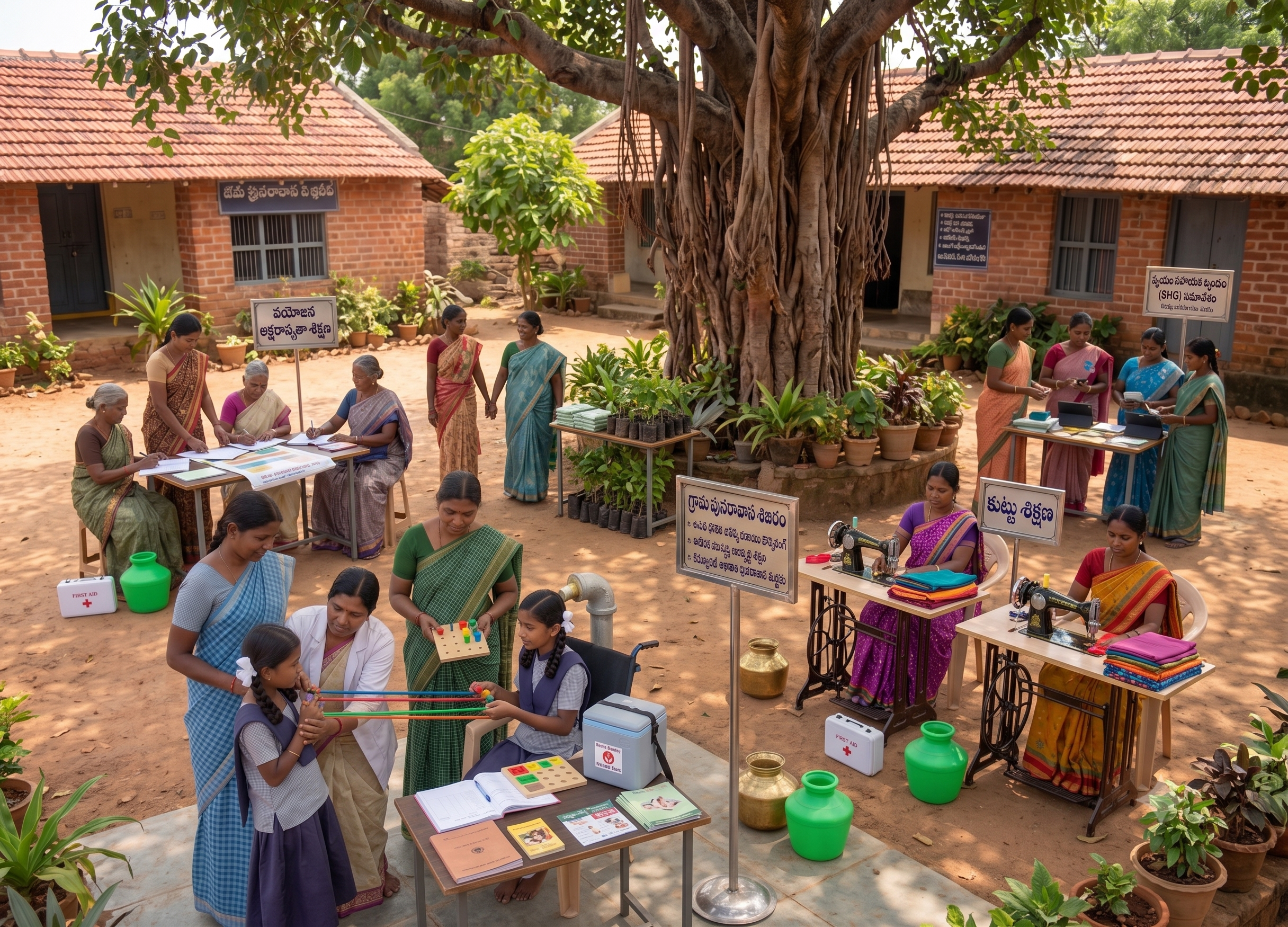
Social Development

Fostering women and youth empowerment, rural village sustainability, care for the vulnerable, and ecological conservation.

Social Development
Women & Children Welfare
Vocational training (tailoring, embroidery, cottage crafts)
Self-help group support, dairy and poultry entrepreneurship
Women and child rights awareness campaigns
Youth Skill Development
Job-oriented technical and vocational training
Employment awareness camps and interview coaching
Leadership, teamwork, and entrepreneurial mentorship
Environment & Agriculture
Mass tree plantation drives and green belt development
Ecological conservation and water harvesting awareness
Modern agricultural guidance (sericulture, floriculture)
Vulnerable Communities Care
Support homes and care for aged, destitute, and disabled
Welfare provisions for widows and orphaned children
Emergency calamity and disaster relief aid
Section 9

Target Beneficiaries

Directly prioritizing individuals and communities facing socioeconomic disadvantages.

Economically Weaker Families
Rural & Deserving Students
Unemployed Rural Youth
Women & Self-Help Groups
Elderly Persons & Destitute
Widows & Orphaned Children
Section 10

5-Step Implementation Approach

A structured, accountable execution framework ensuring maximum impact per rupee invested.

STEP 01
Community Identification

Conduct grassroots baseline surveys to identify priority needs across rural villages and disadvantaged settlements.

STEP 02
Beneficiary Identification

Select genuine, deserving beneficiaries transparently based on vulnerability and socioeconomic indicators.

STEP 03
Programme Execution

Deploy education, health, and skill activities with active village leadership and community stakeholder participation.

STEP 04
Outcome Monitoring

Maintain rigorous records of activities, attendance, learning outcomes, health records, and livelihood impacts.

STEP 05
Audit & Reporting

Prepare comprehensive progress reports, photographic documentation, and audited financial statements for CSR/donors.

Section 11

Expected Tangible Outcomes

Transformative results realized through committed partnership and donor support.

Education Outcomes
  • Improved access to learning resources for rural students
  • Drastic reduction in school dropouts in target villages
  • High motivation and competitive examination readiness
  • Digital literacy for employment among youth
Health Outcomes
  • Early detection of chronic illnesses and eyesight issues
  • Reduction in water-borne diseases via clean water education
  • Essential medicine and clinical care reached to poor families
  • Enhanced sanitation habits in rural school clusters
Social Development Outcomes
  • Economic self-reliance through women vocational training
  • Gainful employment & skill certification for youth
  • Dignity and sustenance support for elderly & widows
  • Greener village environments through sapling plantation
Section 12 & 13

Flexible CSR & Donor Funding Model

Partners can support according to their institutional CSR mandate or philanthropic focus.

TRACK A

Education Focus

Support single-track educational interventions.

  • Student learning kits
  • Library / Study rooms
  • Computer training lab
  • Scholarships & rewards
TRACK B

Health & Care

Sponsor medical camps and clinical assistance.

  • Village medical camps
  • Free eye checkup & specs
  • Clean water awareness
  • Poor patient assistance
TRACK C

Skills & Women

Empower women, youth, and vulnerable groups.

  • Women vocational skills
  • Youth career coaching
  • Elderly & widow relief
  • Mass plantation drives
Section 14 & 15

Governance, Transparency & Accountability

Ratna Innovation Foundation operates under strict adherence to the Andhra Pradesh Societies Registration Act, 2001 with well-defined statutory rules governing fund utilization, auditing, and executive accountability.

Audited Financials
Maintained by certified Chartered Accountants
Governing Body
Democratic oversight & regular resolutions
CSR Reporting
Periodic impact & milestone statements
Photo & Field Proof
Geotagged documentation of beneficiaries
Conclusion & Invitation

"Sustainable community development begins with Education, is strengthened through Health, and becomes meaningful through Social Development."
We invite forward-thinking corporates, philanthropic leaders, foundations, and donors to partner with us in transforming lives across Nandyal and Kurnool districts.

Registered Details

Name of Society
RATNA INNOVATION FOUNDATION
Registration Number
126 of 2026 (A.P. Societies Registration Act, 2001)
Operating Districts
Nandyal & Kurnool Districts, Andhra Pradesh
Registered Office
H.No. 8-9-127/10/A, Yesunadhapuram Street, Allagadda, Nandyal District, Andhra Pradesh – 518543.
1
👋 Hi!
Want to partner or support a project?

Ratna Foundation

🟢 Online
Hello! Welcome to Ratna Innovation Foundation. How can we help you learn about our programmes or CSR partnerships today?